JETHROat the intersection of android, computer architecture, and hardware-level performance
A curated showcase of high-fidelity Android architectures, embedded system designs, custom device controls, and low-latency client experiences fine-tuned for bare-metal performance.
CREATIVE
PHILOSOPHY
Interactive design is more than static templates. Modern creative engineering centers around fluid kinetics—ensuring physical action and digital representation move in perfect cognitive harmony.
Interfaces with weight and depth
By designing continuous linear layouts and scrubbing timelines, we build visual momentum. Smooth transitions hold attention, transforming simple page navigation into an intuitive, seamless story.
Consistent across every medium
Whether using a trackpad, physical wheel, or mobile touch gesture, the interactive speed and deceleration curves stay meticulously balanced, establishing a single, premium tactile response across all devices.
ENGINEERING
PILLARS
Low-level Kernel & NDK Executables
True system-level craftsmanship operates directly at the bare metal. By bypassing bloated high-level abstractions with custom Kotlin/Java JNI bindings, custom NDK wrappers, and native C++ architectures, we minimize CPU runtime overhead and unlock microsecond execution pathways.
GPU-Accelerated OpenGL ES Matrices
Harnessing low-level shaders, custom layout passes, and specialized Canvas matrices directly on the GPU. Compiling tailored fragment shaders ensures ultra-fluid, zero-jank 120 FPS animations perfectly synchronized with hardware VSYNC ticks.
AOSP SERVICES & HAL INTERFACES
Architecting robust background services, custom Hardware Abstraction Layer (HAL) modules, and high-performance telemetry pipelines within the Android Open Source Project (AOSP). Bridging complex driver mechanics to polished, user-facing applications.
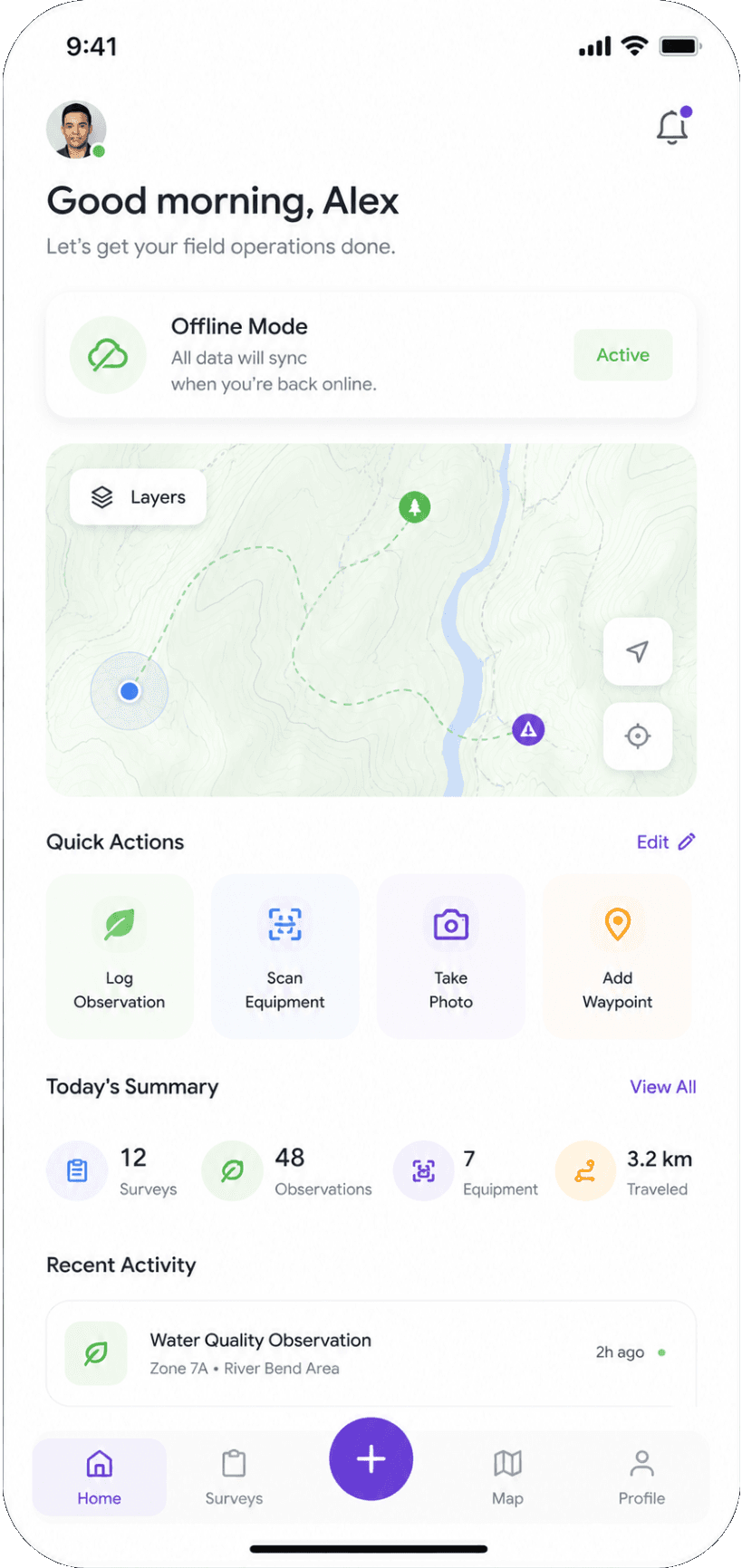
The Offline-First Field Operations Platform
A massive tablet and mobile application used by field surveyors to map territories, log environmental data, and scan equipment.
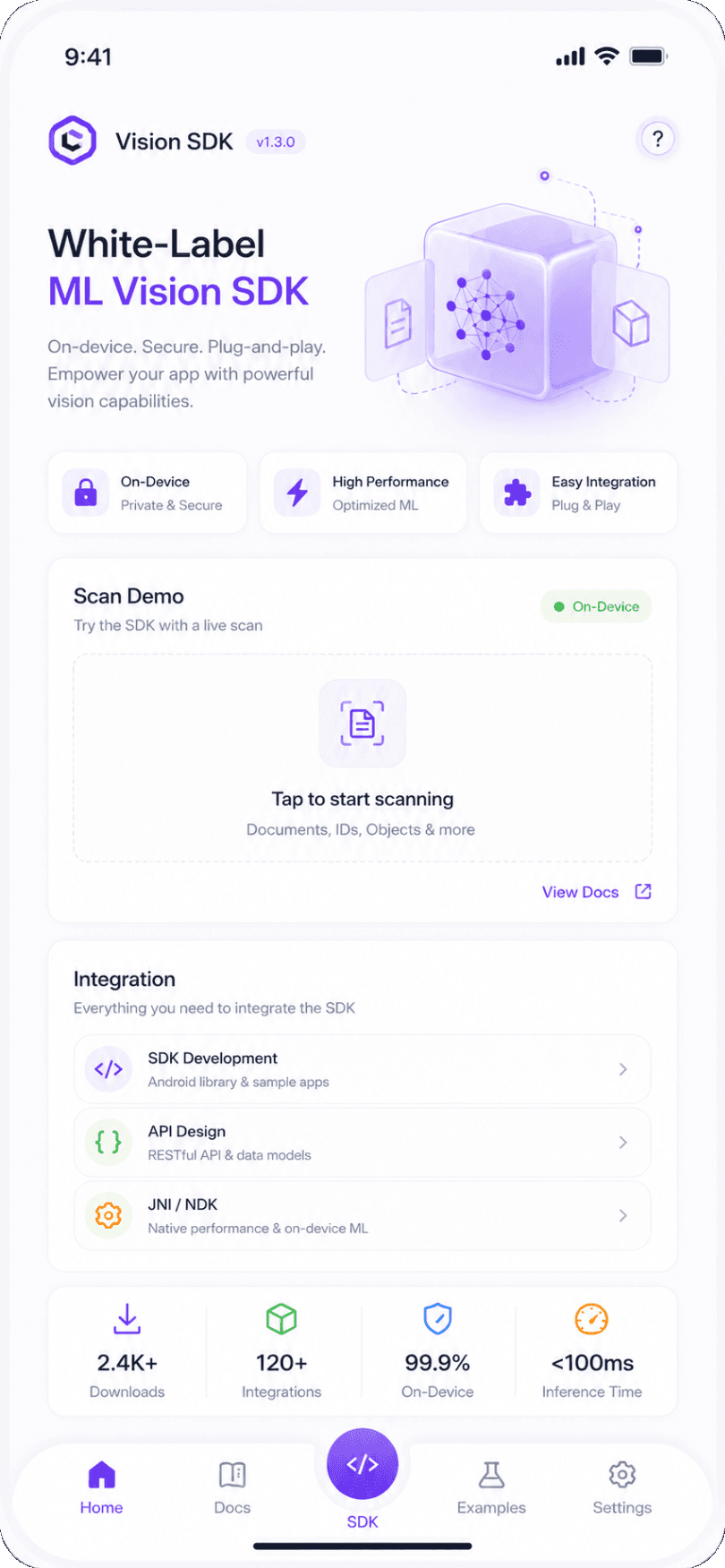
The White-Label ML Vision SDK
A secure, plug-and-play Android library that other companies integrate into their apps to scan documents or physical objects using on-device neural networks.
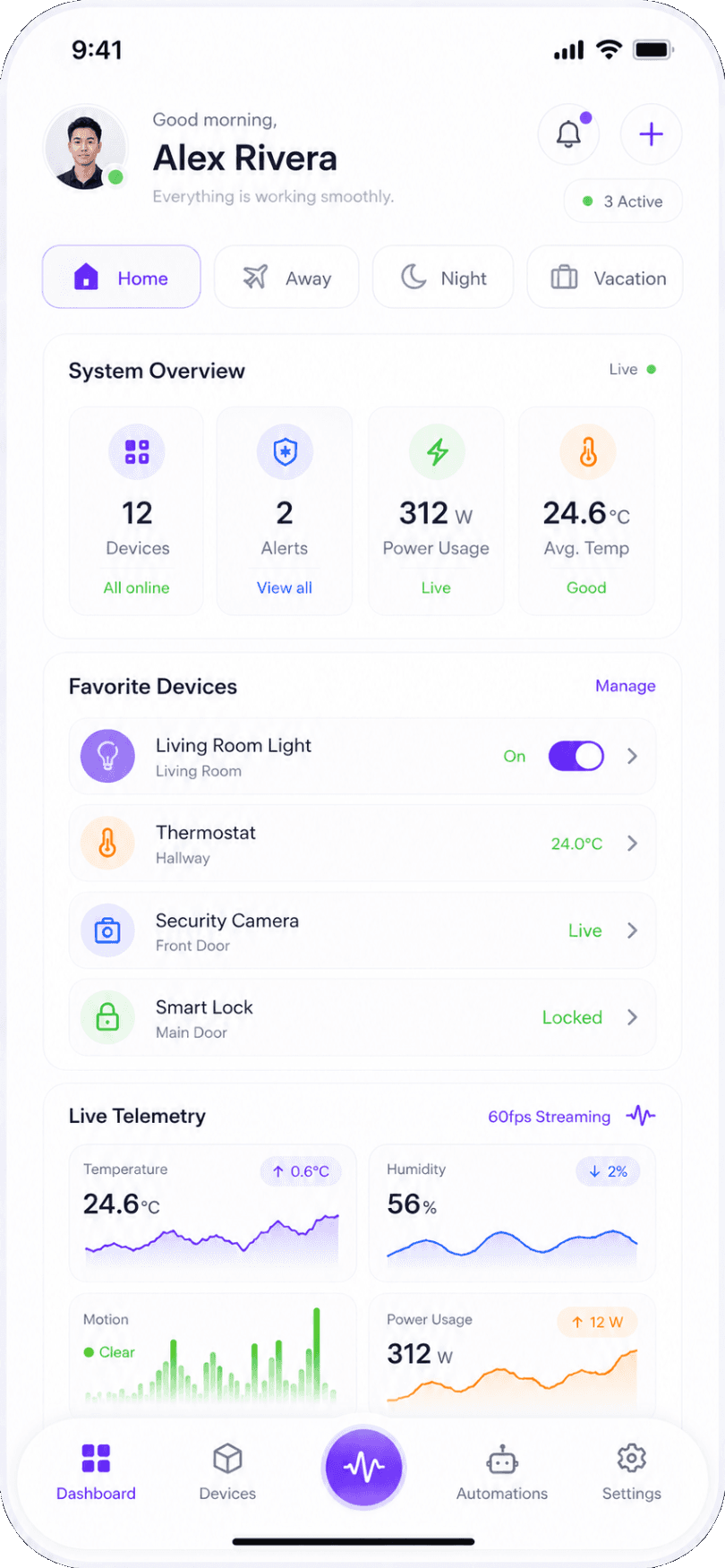
The IoT Companion & Hardware Fleet Manager
A control hub application that connects to custom external hardware via BLE or Wi-Fi Direct, streaming real-time telemetry data.

JM Motogears: Retail E-Commerce & Automation
A proposed digital transformation architecture for a multi-branch motorcycle gear retailer. Centralizes inventory, automates installments, and establishes a secure sales channel.

Vegetable Identification & Quality Classification using Android Application
Evaluating performance on five vegetables: carrots, potatoes, okra, eggplant, and bitter gourd. Achieves 100% accuracy in identifying vegetables and 95.38% in export quality classification.
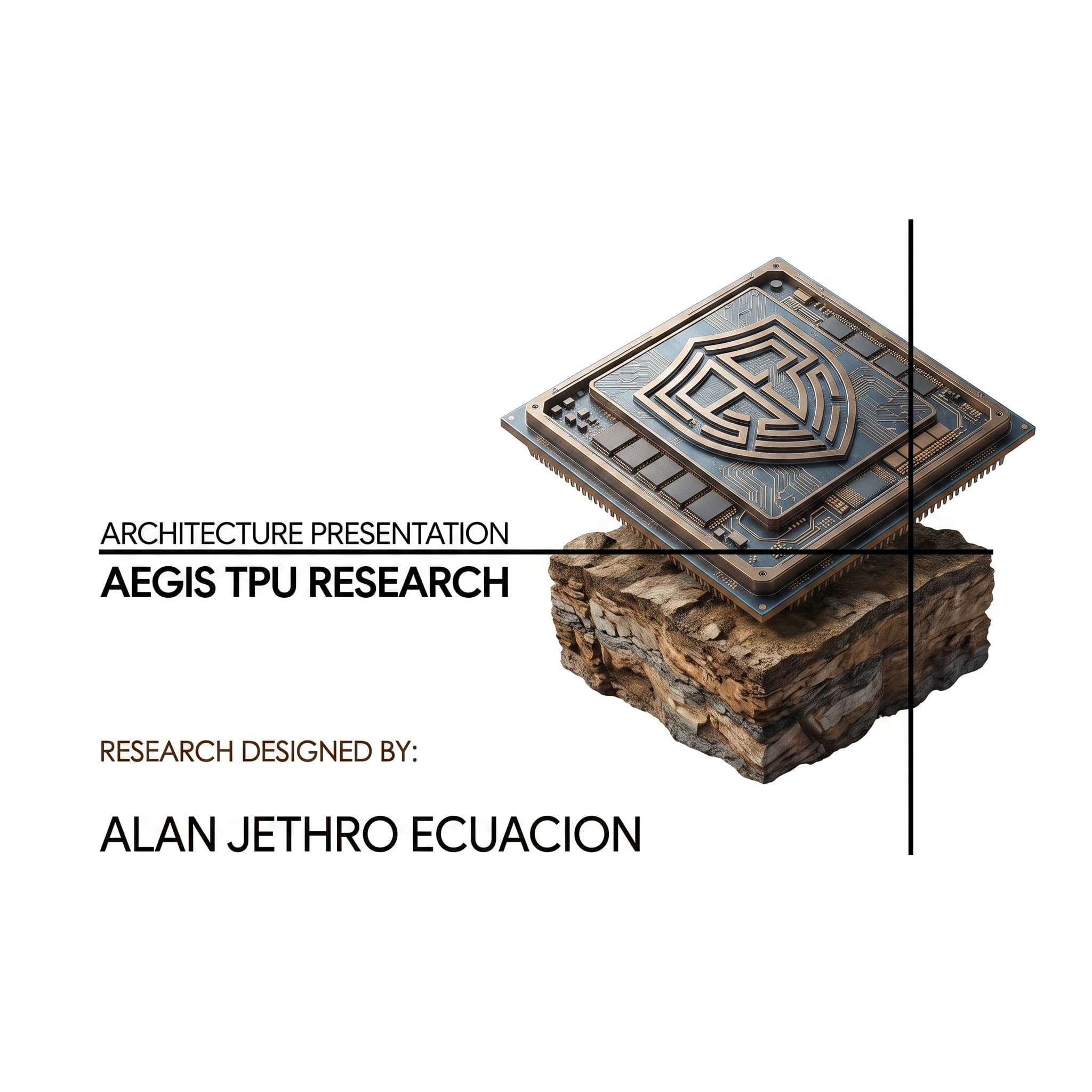
The Aegis Tensor Processing Unit: A Secure & High-Efficiency DSA
Presents the Aegis Tensor Processing Unit (A-TPU), a Domain-Specific Architecture overcoming dark silicon power limits and speculative side-channel attacks via deterministic systolic array pipelines.

Securing the Edge: Hardware-Level Isolation
Hardware-level isolation in multi-tenant environments. Designing secure microarchitectures and domain-specific sandboxes that prevent speculative leakage without compromising execution speed.
RESEARCH&ARTICLES
High-performancesoftwareisnotdefinedbystaticlayouts.Truecomputerengineeringandnativecraftsmanshipthriveintheprecisemillisecondsofhardwareinterruptexecution,memoryallocationefficiency,andrenderingpipelines.
Expertise & Stack.
An overlay of creative engineering and meticulous structural aesthetics. Designed to run flawlessly across the modern viewport.
Mobile Development
Architecting high-performance native Android applications and cross-platform systems using modern UI toolkits and highly responsive state pipelines.
DevOps & Automation
Sustaining robust, scale-proof builds and deployment automation to eliminate release bottlenecks and target zero-friction cycles.
Architecture Systems
Engineering modular, clean, and decoupled structural topologies to support scale, robust testing, and deterministic state flows.
Strengths & Platforms
Managing and optimizing low-level device components, on-device compute metrics, and publishing ecosystems.
Backend & Cloud
Constructing low-latency server APIs, resilient data structures, and highly hydrated cloud services to supply client engines with secure real-time state.
Integration & Security
Implementing cryptographic authentication flows, secure biometrics, and compact localized neural network deployment.
The physics
no one
could see


